Decks Overlooking Stunning Views: Design Tips for Scenic Spots
Planning decks in breathtaking locations presents particular advantages and obstacles. Careful situating can enhance views and natural light. Selecting configurations and components that blend with the landscape is essential. Privacy considerations regularly come up, requiring intentional privacy screening. Together, these factors create a functional and inviting outdoor area. Grasping these elements can transform the overall experience. What specific considerations should one keep in mind for perfect construction?
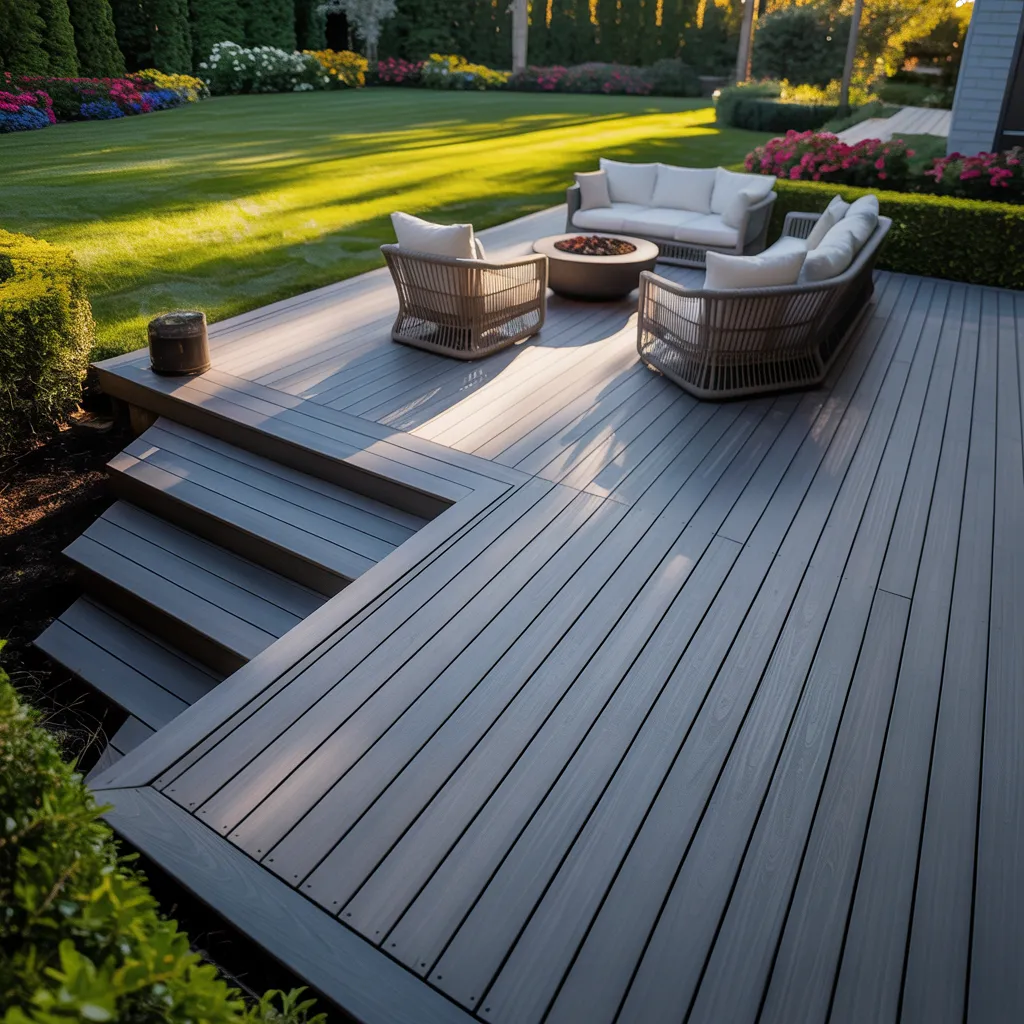
Frequent Challenges in Deck Design
Creating attractive decks commonly introduces a number of obstacles that can complicate the process. A primary challenge is the landscape; unleveled terrain can hinder the groundwork, necessitating supplementary design approaches. In addition, the adjacent surroundings must be carefully evaluated, such as surrounding plant life and wildlife, which can impact both aesthetics and functionality. Environmental weather patterns also create obstacles; decks in zones subject to temperature extremes or considerable rainfall call for detailed consideration to secure structural integrity and protection.
An additional challenge is local building codes and zoning regulations, which often enforce limitations regarding deck dimensions, elevation, or construction materials. These regulations can limit design flexibility and require thorough research before proceeding. Additionally, balancing aesthetics with practicality can be difficult, as design professionals seek to build visually stunning areas while guaranteeing they remain usable and accessible. Addressing these challenges requires thoughtful planning and innovative solutions.
Choosing the Right Materials for Your Deck
Picking the ideal options for a deck is essential, as it directly influences both the deck's longevity and visual appeal. Homeowners often consider options such as composite, wood, and metal. Traditional wood provides charm and beauty but requires regular maintenance to protect against weathering and wear. Alternatively, composite options deliver strength and ease of care, standing up to fading and harsh weather, making them an attractive option for scenic locations.
Metal options, like aluminum, are well-known for their durability and rust resistance, well-suited to coastal environments. All materials come with their own strengths, and the decision should be guided by the climate, desired maintenance level, and overall design vision. Additionally, eco-conscious alternatives are becoming increasingly sought after, drawing interest from green-minded consumers. In the end, the preferred materials must complement the existing environment while enhancing the property's structural aesthetic, creating a unified and welcoming exterior area.
Make the Most of Your Deck Layout for Stunning Views
To build a visually impressive deck, thoughtful attention to take action layout is crucial. Careful placement, elevation, and furniture layout can significantly improve the overall experience by maximizing scenic views. By focusing on these elements, one can transform a simple deck into a enchanting outdoor space.
Positioning for Optimal Impact
Thoughtfully situating a deck can substantially elevate the entire experience, optimizing stunning vistas and sunlight. The positioning angle of the deck deserves careful deliberation, confirming it looks out over the most beautiful terrain, whether it be mountains, lakes, or gardens. Integrating angular layouts can establish distinctive viewpoints, providing diverse viewpoints without interference. Additionally, considering the surrounding foliage can help frame the view, introducing dimension and visual appeal. Situating the deck to harness the sun during golden hours elevates its allure, inspiring continuous outdoor activity from morning to evening. Integrating features like low walls or railings can maintain sightlines while providing safety. In the end, deliberate placement transforms an ordinary deck into a captivating outdoor sanctuary, seamlessly blending architecture with nature.
Altitude and Perspective Considerations
In terms of elevation and perspective, a thoughtfully crafted deck can substantially elevate the scenic experience. Vertical positioning is a key factor in enhancing breathtaking scenery; even a slight increase can substantially transform sightlines. Elevated deck structures can capture sweeping vistas, while ground-level decks may find themselves obstructed by landscaping or structures.
Incorporating multiple tiers in the deck structure can greatly enhance perspectives, providing multiple angles of observation. Orienting the deck strategically or including extended cantilever features can also create a dynamic visual appeal. Furthermore, adjusting the deck's alignment with prominent landmarks or natural features ensures the finest views remain the focal point. In the end, thoughtful elevation and perspective considerations convert an ordinary deck into a captivating observation space, encouraging occupants to embrace the beauty around them.
Arranging Furniture for Views
A thoughtful furniture arrangement can considerably elevate the scenic experience on a deck. To make the most of the space, positioning seating facing the best views is key. Choosing low-profile furniture allows for unobstructed sightlines, delivering a more engaging atmosphere. Arranging furniture in a curved or horseshoe-shaped formation facilitates socializing while preserving sightlines toward the landscape. Adding side tables can enhance usability without obstructing the landscape. Using movable furniture allows for adjustments, letting residents modify the layout based on changing light conditions or individual taste. Moreover, using decorative pillows and wraps can encourage comfort, turning the deck into an inviting retreat. When done thoughtfully, a thoughtful arrangement not only optimizes perspectives but also shapes the deck into a cohesive reflection of the surrounding environment.
Integrate Comfortable Seating for Relaxation
Creating a stunning deck requires thoughtful consideration of seating options to improve relaxation. Inviting seating plays a pivotal role in turning an outdoor space into a tranquil retreat. Selecting cushioned lounge chairs, hammocks, or built-in benches can entice occupants to remain longer while taking in the scenery. Materials must balance durability and comfort; weather-proof materials and strong frames are vital for lasting quality.
Moreover, the arrangement of seating should foster connection and conversation with the surrounding area. Grouping chairs in small clusters can foster an inviting setting, while a solitary chaise lounge encourages private relaxation. Including cozy throws or decorative pillows brings a warm element, making the space more inviting.
At the end of the day, thoughtful seat selections do more than enhance comfort by also promoting a sense of tranquility, allowing individuals to fully immerse themselves in the beautiful surroundings of their deck.
Creating Privacy While Preserving Views With Strategic Landscaping
To create a harmonious balance between privacy and picturesque sightlines, careful landscaping is paramount. Residents can employ shrubs, trees, and decorative grasses to form natural buffers that guard the deck from outside observation while still preserving sightlines to the landscape. Selecting the right plant species is essential; towering evergreens deliver consistent all-year screening, while leafy deciduous trees provide periodic seclusion.
Layering plants adds visual depth and intrigue, giving homeowners the ability to establish sightlines that elevate views without compromising seclusion. Moreover, adding vertical structures such as trellises or lattice panels can more clearly outline space without interrupting the horizon.
Consideration of plant placement is key; arranging vegetation at different elevations ensures that picturesque views stay unobstructed from the deck. In the end, a carefully planned landscape design not only improves privacy but also showcases the stunning surroundings, establishing a peaceful outdoor retreat.
Fun Light Ideas to Create the Best Ambiance
How does well-chosen lighting convert a deck into a comfortable haven? Strategically placed lighting can dramatically elevate the mood, making the space feel more appealing. Gentle, warm illumination fosters a calm environment, while string lights or lanterns introduce a charming element. Incorporating dimmable fixtures allows for easy mood adjustments, catering to various occasions, from intimate dinners to lively gatherings.
Furthermore, utilizing multi-layered lighting—including floor lamps, wall sconces, and recessed lights—creates a balance of functionality and visual charm. Solar-powered lights present a green alternative, illuminating pathways without the need for wiring. Candles, whether real or LED, add a soft flickering light that adds to the magic of outdoor evenings.
Illuminating design features or outdoor greenery with directional fixtures can capture attention while adding layers of depth. In the end, the ideal lighting converts a basic deck into a tranquil escape, encouraging relaxation and enjoyment of the surrounding views.
Securing Your Deck from the Weather for Enjoyment All Year Long
Even though outdoor spaces are constantly exposed to weather conditions, strategic weatherproofing can make certain that a deck continues to be an enjoyable space in every season. Key strategies include selecting durable materials such as composite decking, which resists fading and warping. In addition, utilizing a superior sealant can defend wooden surfaces against moisture infiltration and UV deterioration.
Incorporating drainage systems is essential; well-planned slope design and gutter systems help divert water away from the deck. Utilizing weatherproof furniture and cushions also elevates the space, guaranteeing comfort throughout every season.
Installing a pergola or awning delivers shade throughout hot summer days while offering shelter from light rain. Additionally, incorporating outdoor heaters or a fire pit generates warmth during chilly evenings, prolonging usability through colder months. By implementing these weatherproofing techniques, homeowners can make the most of their scenic decks year-round, maximizing both beauty and functionality.
Maintaining Your Deck for Long-Term Appeal
Keeping up a deck requires routine care to preserve its visual appeal and structural soundness over time. Periodic assessments should be conducted to detect signs of wear, such as unsecured boards, corroded fasteners, or splintering wood. Regularly washing the surface with a gentle detergent and a soft-bristle brush helps remove debris and prevent mold accumulation.
Sealing or staining the deck every few years protects against moisture and UV damage, promoting long-term durability. You should also check for proper drainage to prevent water from pooling, which can lead to deterioration.
Moreover, ensuring nearby vegetation is kept trimmed stops leaves and debris from building up on the deck. By regularly executing these maintenance tasks, homeowners can improve their deck's durability, guaranteeing it stays a beautiful and functional space for years to come. This proactive approach not only protects the deck's visual appeal but also protects the investment made in the scenic outdoor space.
Common Questions and Answers
How Can I Select the Ideal Location for My Deck?
To determine the ideal position for a deck, one should consider elements such as sun exposure, personal space, distance from the house, wind direction, and the surrounding scenery to optimize both functionality and aesthetic appeal.
When Are the Best Times of Year to Build a Deck?
The optimal times for building a deck are usually spring and early fall. Both seasons deliver moderate temperatures, minimizing delays from severe weather conditions or precipitation, ensuring ideal conditions for the building process and proper material installation.
Can a Deck Be Built on a Sloped Area?
Absolutely, constructing a deck on a sloped surface is feasible. Careful planning and adequate structural support are critical to ensure stability and safety. Seeking advice from a professional can help overcome the difficulties involved in sloped construction.
What Permits Are Required for Deck Construction?
Prior to building a deck, you will generally require a construction permit, zoning authorization, and potentially environmental permits, depending on local regulations. Consulting local authorities confirms conformity with codes, safety standards, and property guidelines.
How Should I Integrate My Deck With Existing Outdoor Features?
To integrate a deck with current outdoor spaces, one should consider materials, alignment, and landscaping. Developing smooth connections, employing complementary colors, and elevating nearby elements can encourage harmony and enhance the complete visual appeal.